
In short: The seven features that separate the best UK home care management software from the rest are a carer app that works fully offline, scheduling built specifically for home care rather than adapted from residential settings, real-time eMAR with active medication alerts, CQC evidence generated automatically as a by-product of daily work, reporting that turns operational data into decisions, AI that measurably reduces workload, and support from people with genuine care sector experience.
Every supplier lists the same modules, so feature presence tells you very little. What separates platforms is depth. Each of the seven below is judged on three operational tests: does it work reliably in the field, does it reduce admin rather than add to it, and does it produce evidence an inspector will accept?
The seven features at a glance
- Offline carer app: rotas, care plans, visit notes and medication logging all available with no signal, syncing automatically when connectivity returns.
- Home care scheduling: travel time optimisation, continuity of carer and skills matching, not shift logic borrowed from care homes.
- Real-time eMAR: missed or late medication flagged as it happens, not surfaced days later in a report.
- Automatic CQC evidence: timestamped visit records, eMAR logs and governance data mapped to the five key questions without manual assembly.
- Decision-ready reporting: missed and short visits, medication compliance and training currency visible at a glance.
- AI that reduces workload: care plan co-authoring and real-time auditing with a measurable saving, not AI as a label.
- Sector-experienced human support: a real person who understands what a missed visit alert means, not a ticket queue.
Most home care management software looks similar on a feature list. Scheduling, care planning, eMAR, a carer app, invoicing: every supplier ticks the same boxes on their website. The difference between an adequate platform and a genuinely excellent one is not whether a feature exists, but how well it works in the reality of domiciliary care delivery.
This guide looks beyond the standard feature list at the seven capabilities that genuinely distinguish the best home care management software in the UK. These are the features that save coordinators hours each week, keep agencies CQC-ready, and hold up when a carer is standing on a doorstep with no mobile signal and a medication query.

How we judged what makes software “best”
Feature breadth is not the same as feature depth. A platform can advertise twenty modules and deliver each one at a shallow level that creates manual workarounds in practice. When assessing what separates the strongest platforms, the test is operational: does the feature work reliably in the field, does it reduce admin rather than add to it, and does it generate the evidence an agency needs for inspection? Each of the seven below is judged on that basis.
1. A carer app that works fully offline
The single most revealing feature in any home care platform is what happens when the carer loses signal. Domiciliary care happens in people’s homes, in rural areas, in lift shafts and basements where mobile coverage drops out entirely. A carer app that only works online is a liability at the point of care.
The best platforms let carers view their rota, read care plans, record visit notes and log medication entirely offline, then sync automatically the moment connectivity returns. Nothing is lost, nothing is delayed, and the carer is never left unable to do their job. When comparing software, ask to see the app used in aeroplane mode during a demonstration, not just described.
2. Scheduling built for home care, not adapted from elsewhere
Scheduling is where home-care-specific software pulls decisively ahead of generic or residential-care platforms. The logic is fundamentally different. A care home schedules shifts around a single site. Home care has to optimise travel between visits, calculate realistic travel time, honour continuity-of-carer preferences, match carer skills to client needs, and absorb last-minute changes without the whole rota collapsing.
The best scheduling engines handle that complexity automatically, reducing the hours coordinators otherwise lose to manual rota juggling. Software that treats scheduling as an afterthought, or borrows its logic from shift-based settings, shows the strain the moment a real domiciliary rota is loaded into it.
3. Real-time eMAR with active medication alerts
Electronic medication administration records are now standard, but there is a wide gap between a digital version of a paper MAR chart and a genuine real-time medication safety system. The distinction matters enormously for both client safety and CQC compliance.
The strongest eMAR features alert managers to missed or late medication in real time, rather than surfacing the problem days later in a report. That shift from retrospective record to live safeguard is one of the clearest markers of a high-quality platform. When evaluating eMAR, ask specifically how and when the system flags a missed dose, and who gets notified.
4. CQC evidence generated as a by-product of daily work
Your software is a core part of your CQC compliance infrastructure, not just an operational tool. Inspectors increasingly expect digital evidence: timestamped visit records, eMAR logs, electronic care notes, training records and governance data mapped to the five key questions of Safe, Effective, Caring, Responsive and Well-led.
The best home care software produces this evidence automatically, as a by-product of carers and coordinators simply doing their jobs. Weaker platforms capture data but leave managers to assemble it manually into something an inspector will accept. The Well-led question is where this shows most clearly: a system that gives leaders real-time data on visit completion, medication compliance and incident trends is a direct enabler of well-led practice.
5. Reporting that turns data into decisions
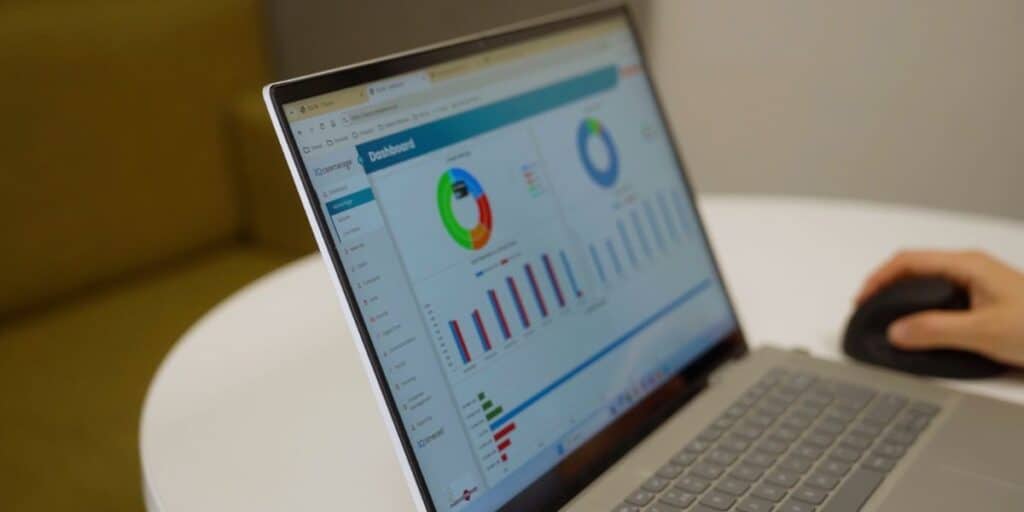
Almost every platform captures data. Far fewer surface it in a way that actually helps a manager run a safer, more efficient agency. A system that records thousands of data points but cannot present them meaningfully is significantly less valuable than one that turns operational data into clear, actionable insight.
The best reporting features let a manager see at a glance which visits were missed or ran short, where medication compliance is slipping, how training is tracking across the team, and which trends need attention before they become problems. Ask to see live report examples during any demonstration, not a static screenshot, and judge how quickly the system answers a real operational question.
6. AI that reduces workload, not just adds a label
Artificial intelligence has become a common claim in care software, but the substance varies enormously. The features worth paying for are those that demonstrably reduce workload or surface risk earlier, rather than AI added as a marketing badge.
The most valuable applications in 2026 are AI-supported care planning that cuts the hours coordinators spend drafting and updating care plans, and real-time auditing that analyses visit and medication notes to flag risks proactively, before they escalate into incidents or complaints. When a supplier mentions AI, ask exactly what it does, what it saves, and how that saving is measured.
7. Genuine, sector-experienced human support
The final feature is not a module at all, but it separates the best suppliers as clearly as any piece of functionality. When something goes wrong at 7am, the quality of the support you reach determines how quickly you recover.
The best providers offer support from real people with genuine care sector experience: no bots, no automated ticket queues, no scripted responses from someone reading a screen. The person on the other end understands what a missed visit alert means, knows what a CQC inspection feels like, and can help solve an operational problem, not just a technical one. It is worth asking any shortlisted supplier who answers the phone, what their experience is, and how quickly issues are resolved.
Best Home Care Management Software Frequently asked questions
What features should the best home care management software have?
The strongest home care management software combines depth across seven areas: a carer app that works fully offline, scheduling built specifically for the travel and continuity demands of domiciliary care, real-time eMAR with active medication alerts, automatic generation of CQC evidence across the five key questions, reporting that turns operational data into clear decisions, AI that genuinely reduces workload, and human support from people with real care sector experience. Feature depth matters far more than the length of the feature list, so always ask to see each capability working in a live demonstration.
Why does an offline carer app matter in home care software?
Home care is delivered in people’s homes, including rural areas and buildings where mobile signal is poor or absent. A carer app that only functions online leaves care workers unable to view rotas, read care plans, record visit notes or log medication when connectivity drops. The best home care software lets carers work fully offline and syncs automatically once signal returns, so nothing is lost or delayed. It is one of the clearest tests of whether a platform was genuinely built for community-based care.
How does home care software help with CQC compliance?
Good home care software is a central part of an agency’s CQC compliance infrastructure. It produces timestamped visit records, eMAR logs, electronic care notes and governance data automatically, mapping the evidence to the CQC’s five key questions of Safe, Effective, Caring, Responsive and Well-led. The strongest platforms generate this evidence as a by-product of everyday work rather than requiring managers to assemble it manually, which is particularly valuable for the Well-led question where real-time oversight of visits, medication and training is expected.
What is the difference between basic and advanced eMAR?
Basic eMAR is essentially a digital version of a paper medication administration record: it stores the information but reacts after the event. Advanced, real-time eMAR actively alerts managers to missed or late medication as it happens, turning the record into a live safety system rather than a retrospective log. For both client safety and CQC compliance, the ability to flag and escalate a missed dose in real time is one of the clearest signs of a high-quality platform.
Does AI in home care software actually make a difference?
It depends entirely on what the AI does. AI used as a marketing label adds little, but genuine applications can make a measurable difference. The most valuable uses in 2026 are AI-supported care planning, which reduces the time coordinators spend drafting and updating plans, and real-time auditing, which analyses visit and medication notes to surface risks before they escalate. When a supplier claims AI capability, ask precisely what it does, what workload it saves, and how that saving is measured.
Bringing it together
The best home care management software is not the platform with the longest feature list. It is the one that delivers depth where it matters: an app that works offline, scheduling built for community care, eMAR that actively protects clients, automatic CQC evidence, reporting that drives decisions, AI that genuinely lightens the load, and support from people who understand care. For a fuller walkthrough of the buying process, see our guide on how to choose the right home care management software.
Unique IQ has been building software for the care sector since 2006. Every one of these capabilities is shaped by over two decades of working alongside UK care providers across home care, domiciliary care, supported living, complex care and more, rather than adapted from other settings or bolted on to win a feature comparison. If you would like to see how these features work in practice, we would be glad to show you.
Looking for an independent view? Unique IQ was featured in Care Connect Marketing’s roundup of the top 10 home care management software for 2025, alongside other platforms supporting UK care providers.
Next step: Book a demonstration with the Unique IQ team to see how we can transform operations within your care agency.