

Home care agencies go paperless by replacing paper rotas, care plans, MAR charts and timesheets with a single digital care management system, accessed by carers through a mobile app. Going paperless removes the admin, delays and errors that come with paper records, and gives managers real-time visibility of everything happening across their service. This guide explains what going paperless actually involves, which paper processes to digitise first, and the technology that makes it possible for home care, domiciliary care, supported living and complex care providers across the UK.
What does going paperless mean for a home care agency?
Going paperless means moving the records and processes that run your agency off paper and into a connected digital system. In practice, that covers scheduling, care planning, visit notes, medication records, timesheets, invoicing and the evidence you keep for inspection.
For a home care agency, paper creates particular problems. Carers work in people’s homes rather than a single site, so paper records sit in folders that managers cannot see in real time, timesheets travel back to the office by post or by hand, and a missed note is invisible until something goes wrong. A digital system closes that gap by capturing information at the point of care and syncing it back to the office instantly.
A genuinely paperless agency does not need to abandon paper everywhere overnight. Most providers digitise the highest-value processes first, then phase out the rest as confidence grows.
What paper processes can home care software replace?
Home care management software can replace almost every paper-based process in a domiciliary agency. The most common are:
- Rotas and scheduling. Paper rotas and spreadsheets are replaced by a digital scheduling and rostering system that handles travel time, continuity of carer and skills matching, with changes shared to carers instantly.
- Care plans and visit notes. Paper care plans kept in the home become digital records that carers read and update on a mobile app, with every change visible to the office in real time.
- Medication records (eMAR). Paper MAR charts are replaced by electronic medication administration records that flag missed or incorrect doses as they happen, rather than at the end of a cycle.
- Timesheets and call monitoring. Paper timesheets are replaced by electronic call monitoring, with carers logging in and out on the app so visit times are accurate and available immediately for payroll.
- Invoicing and payroll. Manual billing is replaced by digital invoicing that draws directly on recorded visit data, reducing rekeying and errors.
- CQC evidence. Paper files assembled before an inspection are replaced by digital records that are timestamped, searchable and ready to share.
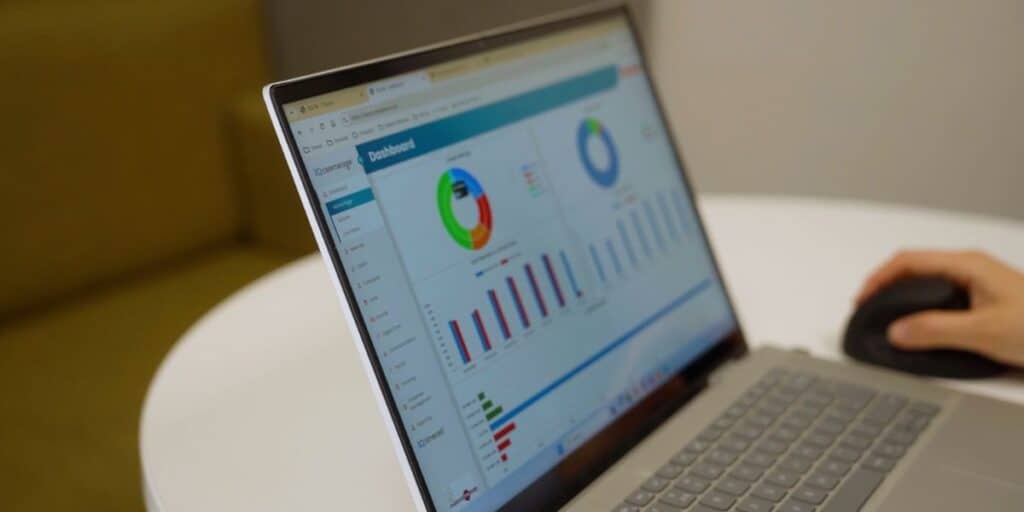
The benefits of going paperless in home care
The benefits of going paperless are practical and measurable. Agencies that digitise their records typically see:
- Less admin. Tasks that took hours on paper, from building rotas to assembling care plans, are completed in a fraction of the time. Unique IQ customers cut care plan creation time by up to 96 per cent using AI-supported tools.
- Fewer errors. Digital records remove the inaccuracies that come with handwriting, late timesheets and end-of-week recall, and eMAR actively flags medication issues before they escalate.
- Real-time visibility. Managers see visits, notes and medication records as they happen, rather than waiting for paper to come back to the office.
- Stronger compliance evidence. Inspection-ready records are captured automatically, so evidence is always available rather than reconstructed before a visit.
- Better continuity for clients. Up-to-date care plans at the carer’s fingertips mean more responsive, consistent care.

How to move from paper to digital, step by step
Moving from paper to digital is most successful when it is planned rather than rushed. A typical rollout follows these steps:
- Audit your current paper processes. List every paper record and process in the agency, from rotas to MAR charts, and identify which cause the most admin or risk.
- Choose a system built for home care. Look for software designed for domiciliary delivery rather than adapted from residential care or generic scheduling tools. Sector fit matters more than the length of the feature list.
- Plan a phased rollout. Start with the highest-value processes, often scheduling and visit notes, then add eMAR, call monitoring and invoicing as the team grows confident.
- Train your carers and office team. Hands-on training on the mobile app is the single biggest factor in adoption. Carers need to feel the system makes their day easier.
- Run parallel briefly, then go live. Keep paper alongside digital for a short, defined period to build confidence, then switch fully to digital and retire the paper process.
How going paperless supports CQC compliance
Going paperless directly strengthens your position with the Care Quality Commission. CQC inspectors increasingly expect digital evidence: timestamped visit records, eMAR logs, electronic care notes and governance data that can be produced quickly and reliably.
The CQC provides guidance on the use of digital records in adult social care, setting out how electronic systems can support safe, well-led services. Digital records make that evidence easier to maintain and to demonstrate, because information is captured as care is delivered rather than written up later. For an agency, that means less time spent preparing for inspection and a more accurate picture of the care actually provided.
How Unique IQ helps agencies go paperless
Unique IQ has been building home care management software since 2006, with over two decades of experience supporting UK providers across home care, domiciliary care, supported living and complex care.
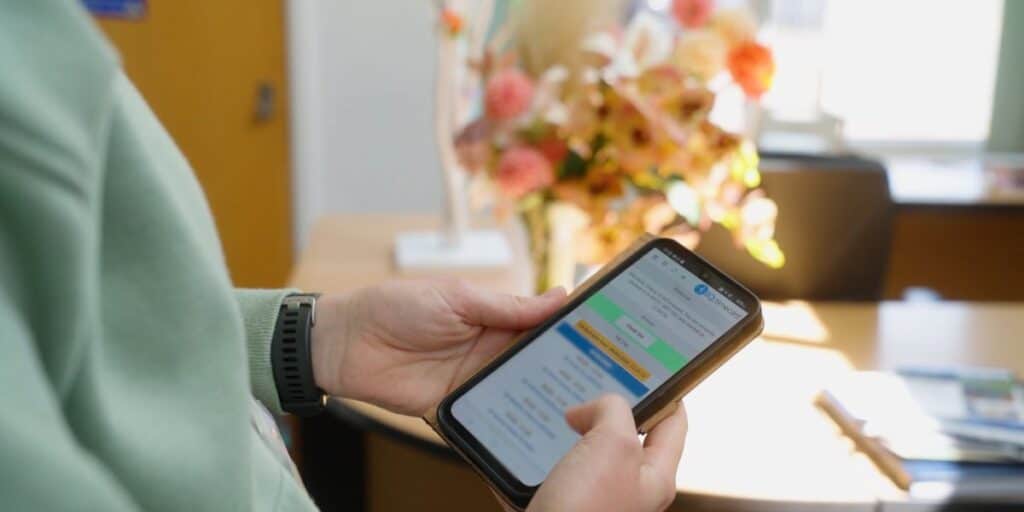
At the centre is IQ:caremanager, which brings scheduling, digital care planning, eMAR, invoicing and reporting into one connected system. Carers work from the mobile app that gives them their rota, care plans and visit notes, records electronic call monitoring, and works offline in areas with poor signal, syncing automatically when connectivity returns.
For agencies that want to go further, IQ:careaudit and IQ:careassist are optional add-ons to IQ:caremanager. IQ:careaudit audits visit notes and medication records in real time, flagging concerns before they become compliance issues, while IQ:careassist supports co-authoring care plans, keeping the carer’s knowledge at the centre of every plan.
Together, these tools let an agency retire paper across the processes that matter most, while keeping carers and managers in control of how care is delivered.
Ready to go paperless? Book a demo to see how Unique IQ can help your agency move from paper to digital.
Going paperless in home care frequently asked questions
What technology do home care agencies need to go paperless?
Home care agencies go paperless with a care management system that combines scheduling, digital care planning, eMAR and invoicing, paired with a carer mobile app for recording visits and medication at the point of care. A system built specifically for home care, rather than adapted from another setting, handles the realities of community-based delivery such as travel time and offline working.
How long does going paperless in home care take?
There is no fixed timescale, as it depends on the size of the agency and how many processes are being digitised at once. Most providers take a phased approach, starting with scheduling and visit notes and adding further processes over a number of weeks, which keeps disruption low and supports carer adoption.
Does going paperless help with CQC inspections?
Yes. Digital records give inspectors the timestamped, searchable evidence they increasingly expect, including visit records, eMAR logs and electronic care notes. Because information is captured as care happens, evidence is always available rather than reconstructed before an inspection.
Can carers use the system without a mobile signal?
With a system that supports offline working, yes. Carers can view rotas and care plans, record visit notes and log medication entirely offline, with everything syncing automatically once connectivity returns.