
Lone worker safety in home care: the key strengths to look for
Lone worker safety in home care is a growing priority for UK domiciliary care agencies. With up to eight million lone workers across the UK, and a significant proportion working in care settings, understanding what makes a safe and effective lone worker, and how technology supports them, has never been more important.
What is a lone worker in home care?
Lone worker safety in home care starts with understanding the role and the risks involved. According to the Health and Safety Executive (HSE), in the UK, lone workers are those that work alone without close or direct supervision. Anybody that works alone, including contractors, self-employed people and employees, is classed as a lone worker.
Lone workers exist in all sectors. Including those that work alone outside of normal business hours, those that work from home, or those that visit other people’s homes.
Across the UK up to eight million people are lone workers.
Lone working can be a bit different from a job surrounded by people. But for those looking to work independently, often in hours that fit around other commitments, lone working is the perfect fit.
What are the key strengths of a lone worker?
Strong time management skills
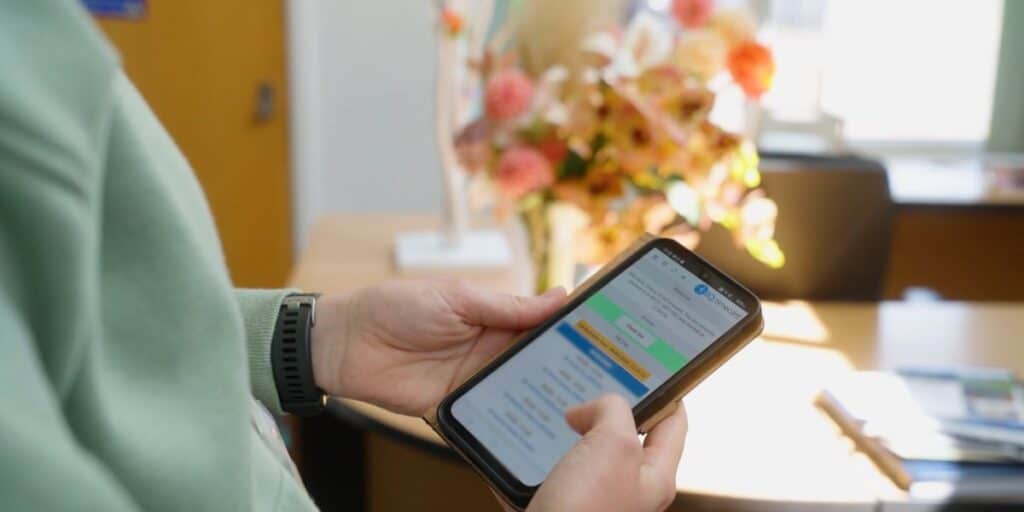
With no direct supervisors, lone workers must be able to manage their own time. To help, lone workers are often supported by cloud-based systems like IQ:timecard, which gives businesses the ability to provide tasks, instructions and real-time alerts.
The ability to solve problems independently
While most employees can quickly grab their manager for advice, lone workers must have the ability to solve problems themselves. This might mean deciding what to do in the event of an emergency or simply deciding what tasks to tackle first.
Good communication skills
While making decisions independently is an important trait for lone workers, they also have to know how to communicate with those around them. Recalling events, handing over tasks, or reporting problems should come naturally to a lone worker.
Ability to identify hazards
Lone workers should be skilled in identifying potential hazards and taking steps to manage them. Each role will have unique hazards and lone workers need to be able to take care of their safety.
Willing to undertake training
All lone workers should be armed with the skills to carry out tasks safely. But as the world changes, Lone Workers are often the first that need to adapt. So whether it’s updated safety policies or the implementation of new technology, lone workers have to be open to learning new skills.
Manage stress and maintain wellbeing
Working alone can be hard on your mental health and wellbeing. Feeling isolated or exhausted is not uncommon. While managers and supervisors need to implement robust stress management processes, lone workers may need to figure out ways of switching off and recharging.
Investing in lone worker safety in home care not only protects your team but also demonstrates to CQC that your agency has robust systems in place to keep staff and clients safe.
Lone worker safety in home care: how technology helps
How IQ:timecard keeps lone workers safe
IQ:timecard is Unique IQ’s electronic call monitoring solution, built specifically for UK home care agencies managing remote and lone workers. It provides GPS-verified attendance at every visit, real-time alerts for missed or late clock-ins, and instant visibility of each carer’s last known location for office staff.
If a carer does not clock in within the expected window, the office is alerted immediately, enabling a fast response before a situation escalates. For lone workers, knowing that someone is monitoring their safety in real time provides genuine reassurance throughout their working day.
Find out more about IQ:timecard or book a demo to see how Unique IQ supports lone worker safety in home care.