

Key Takeaways
What is the best home care management software in the UK? There is no single best system for every agency. The right choice is one that is purpose-built for domiciliary care rather than adapted from residential or generic scheduling tools, goes deep on the features you rely on daily, and comes with a supplier invested in your success beyond the point of sale.
What features matter most? Scheduling and rostering with travel time and route optimisation, electronic care planning and visit notes, eMAR with real-time medication alerts, a carer mobile app that works offline, integrated invoicing, and reporting that turns data into insight. Feature depth matters far more than the length of the feature list.
How much does it cost? Most UK suppliers price per carer or per client, on a monthly or annual basis, with some charging separately for onboarding, training or premium modules. Always ask what is included as standard and how pricing changes as you grow.
Does it help with CQC compliance? Yes. Good software generates the digital evidence inspectors expect, such as timestamped visit records, eMAR logs and governance data, and supports all five CQC key questions, especially Well-led.
Best Home Care Management Software in the UK: 2026 Buyer’s Guide
Choosing the best home care management software for your UK agency is one of the most consequential decisions you will make. The right system saves your team hours every week, keeps you CQC-ready and gives you the data you need to run a safer, more efficient business. The wrong one creates frustration, data problems and expensive switching costs further down the line.
The UK market for home care software has grown significantly in recent years, with a wide range of suppliers competing for attention. Some are established providers with deep sector knowledge; others are newer entrants with modern interfaces but limited operational depth. Navigating this landscape confidently requires knowing what to look for – not just what each supplier tells you.
This guide cuts through the noise. We look at what home care management software actually does, the features that matter most, the questions you should ask every supplier, and how Unique IQ approaches the specific challenges of domiciliary care delivery.
What is home care management software?
Home care management software is a digital platform that brings together all the core functions of running a domiciliary care agency. At its most comprehensive, it replaces paper rotas, MAR charts, care plans and invoices with a single connected system that gives managers real-time visibility of everything happening across their service.
Typical functions include scheduling and rostering, electronic care planning and visit notes, electronic medication administration records (eMAR), carer mobile apps for field-based recording, client and family portals, invoicing and payroll, reporting and analytics, and documentation management for CQC compliance.
The best systems are purpose-built for home care – not adapted from residential care software or repurposed from generic workforce scheduling tools. That distinction matters far more than most buyers realise, and it is one of the first questions you should ask any supplier you speak with.
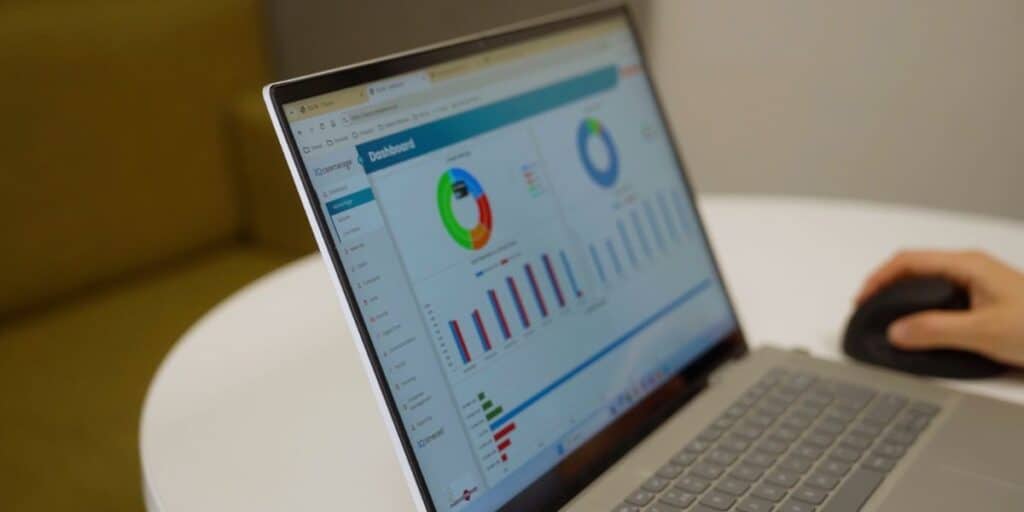
Key features to look for in the best home care management software
Not all platforms are equal, and feature breadth is not the same as feature depth. A supplier may list twenty modules on their website but deliver each one at a shallow level that requires significant manual workaround in practice.
When comparing systems, look for a scheduling and rostering engine that genuinely handles the complexity of domiciliary delivery: geographic optimisation, travel time management, continuity-of-carer preferences, skills matching and real-time amendment capability. Look for GPS-enabled carer apps that function offline for areas with poor mobile connectivity. Look for eMAR with real-time medication alerts, not just a digital version of a paper chart. Look for integrated invoicing that handles both local authority billing schedules and private client payments without separate manual processes.
Look also at the reporting and analytics capability. A system that captures data but cannot surface it meaningfully for managers is significantly less valuable than one that turns operational data into actionable insight. Ask to see live examples of reports during any demonstration, not just a screenshot.
Home-care-only versus generic platforms
Several large software companies sell platforms that cover residential care, supported living and domiciliary care. On the surface, the feature sets look comprehensive. In practice, home care agencies frequently find that the product has been stretched thin across different care models and lacks the operational depth they need for domiciliary delivery.
The scheduling logic for a care home – shift-based, site-based, staffing-ratio focused – is fundamentally different from the scheduling logic for home care, which requires geographic route optimisation, travel time calculation, continuity management and real-time mobile update capability. When a single platform attempts to serve both models, compromises are made. Domiciliary care is most often the setting where those compromises show.
Software built exclusively for home care goes deeper on the features that matter for community care delivery. Sector focus means the product roadmap is shaped entirely by the needs of home care agencies, not by the competing demands of other care settings. The Homecare Association provides useful independent guidance on evaluating technology as part of its member resources.

Questions to ask before you commit
Before signing any contract, a structured set of questions will help you distinguish genuine partners from suppliers who are primarily interested in closing the sale.
Start with the product:
- How long has this specific module been part of the platform?
- How often is the product updated, and how do customers influence the roadmap?
- Can we speak to three agencies of a similar size to ours who have been using the system for at least two years?
Then address implementation:
- What does onboarding look like, step by step?
- Who manages the data migration – us or you?
- What happens in the first four weeks after go-live?
- What is the escalation process if something goes wrong?
Finally, address commercial terms:
- What is included in the base price, and what is charged as an add-on?
- What does pricing look like as we grow?
- What happens to our data if we decide to leave? Is there a minimum contract length?
A supplier who is reluctant to answer any of these questions clearly and in writing is a supplier worth approaching with caution.

CQC compliance and the best home care software
Your home care management software is not just an operational tool – it is a significant component of your CQC compliance infrastructure. CQC inspectors increasingly expect digital evidence: timestamped visit records, eMAR logs, electronic care notes, training records and governance data. Paper-based agencies can still satisfy the CQC, but they typically do so with far more effort and with greater risk of gaps.
When evaluating software, ask specifically how it supports each of the CQC’s five key questions: Safe, Effective, Caring, Responsive and Well-led. A credible supplier should be able to walk you through, module by module, how their system generates evidence for each question.
The Well-led question is particularly relevant. A management information system that gives your senior leaders real-time data on visit completion, medication compliance, incident trends and carer training is a direct enabler of Well-led practice. Skills for Care also publishes useful guidance on using digital tools to support workforce quality standards.

Implementation and onboarding: the make-or-break moment
Many agencies make a good buying decision and then undermine it with a poor implementation. The onboarding process – data migration, system configuration, staff training and go-live support – is where the difference between suppliers becomes most tangible.
A well-implemented system is one where coordinators are confident from week one, carers understand their mobile app before they go out alone, and managers know where to find the reports and data they need. A poorly implemented system creates frustration, workarounds and a workforce that quickly reverts to old habits.
Ask your shortlisted suppliers to describe their onboarding process in detail.
- What is the timeline?
- Who is responsible for each stage?
- What training is provided, and in what format?
- What dedicated support is available in the first month?
The quality of the answers will tell you a great deal about how the relationship will feel after the contract is signed.
Why Unique IQ works differently
Unique IQ has been building home care software since 2006. Unlike several of our competitors, we are founder-owned, independent and focused exclusively on the domiciliary care sector. That means every product decision, every support conversation and every new feature is shaped by the needs of home care agencies – not by investor return targets or the competing demands of other care settings. Nearly two decades of sector focus has produced something that generic platforms cannot replicate: software that genuinely understands how home care works, built by a team that has never needed to divide its attention between care settings.
Our platform, brings together care planning scheduling, eMAR, reporting, invoicing and client management in one connected system. Our carer app gives care workers everything they need in the field – their rota, client information, care tasks, medication prompts and GPS call monitoring – even when their mobile connectivity is limited. And we are not standing still. We offer AI-powered capabilities within our platform – from AI-powered care planning that reduce coordinator workload, to automated real-time insights that help managers spot risks and act before they become problems. Innovation is not an add-on for us; it is part of how we help agencies stay ahead.
When you need support, you will speak to a real person. No bots, no automated ticket queues, no scripted responses from someone reading from a screen. Our support team picks up the phone, and the people on the other end of it have genuine experience in the care sector. They understand what a missed visit alert means at 7am, they know what a CQC inspection feels like, and they can help you solve real operational problems – not just technical ones.
We do not claim to be the best home care management software for every agency. But if you want a supplier who combines genuine sector expertise with forward-thinking technology, and who will be invested in your success over the long term rather than just at the point of sale, we would be glad to show you what that looks like in practice.

Frequently asked questions
What is the best home care management software in the UK?
There is no single best home care management software for every agency, and any supplier claiming otherwise is worth treating with caution. The right system depends on your size, the type of care you deliver, your growth plans and your budget. What matters most is choosing software that is purpose-built for domiciliary care rather than adapted from residential or generic scheduling tools, that goes deep on the features you rely on daily, and that comes with a supplier genuinely invested in your success beyond the point of sale. The questions to ask, set out in this guide, will help you find the best fit for your service specifically.
How much does home care management software cost in the UK?
Pricing for home care management software varies widely depending on the number of carers or clients, the features included, and whether you need additional modules or integrations. Most UK suppliers price per user or per care worker, often on a monthly or annual basis, and some charge separately for onboarding, training or premium features. When comparing costs, look beyond the headline price and ask what is included as standard, what is charged as an add-on, and how pricing changes as you grow. For a tailored quote based on your agency’s needs, it is best to speak to suppliers directly.
What features should home care software include?
At a minimum, good home care software should cover scheduling and rostering with travel time and route optimisation, electronic care planning and visit notes, electronic medication administration records (eMAR), a carer mobile app that works offline, invoicing and payroll, and reporting that turns operational data into useful insight. The depth of each feature matters far more than the length of the feature list. A platform may advertise many modules but deliver each one at a shallow level that creates manual workarounds in practice, so always ask to see features working in a live demonstration.
Does home care software help with CQC compliance?
Yes. Your software is a significant part of your CQC compliance infrastructure. Inspectors increasingly expect digital evidence such as timestamped visit records, eMAR logs, electronic care notes and governance data. Good software supports each of the CQC’s five key questions, Safe, Effective, Caring, Responsive and Well-led, and is especially valuable for the Well-led question, where real-time data on visit completion, medication compliance and training gives leaders the oversight inspectors look for. When evaluating a system, ask the supplier to walk you through how it generates evidence for each key question.
Is home-care-specific software better than a generic care platform?
For domiciliary care, software built exclusively for home care usually offers greater operational depth than a generic platform covering residential, supported living and home care in one. The scheduling logic alone is fundamentally different. Care homes are shift and site-based, whereas home care needs geographic route optimisation, travel time calculation, continuity of carer and real-time mobile updates. When one platform tries to serve every care model, compromises are made, and domiciliary care is most often where they show. A sector-focused product also means the roadmap is shaped entirely by the needs of home care agencies.
What should I ask before choosing a home care software supplier?
Before committing, ask structured questions across three areas. On the product: how long each module has been part of the platform, how often it is updated, and whether you can speak to similar-sized agencies who have used it for at least two years. On implementation: what onboarding looks like step by step, who manages data migration, and what support is available in the first month after go-live. On commercial terms: what is included in the base price, how pricing changes as you grow, and what happens to your data if you decide to leave. A supplier reluctant to answer any of these clearly and in writing is one to approach with caution.
Next step: Book a demonstration with the Unique IQ team to see how we can transform operations within your care agency.